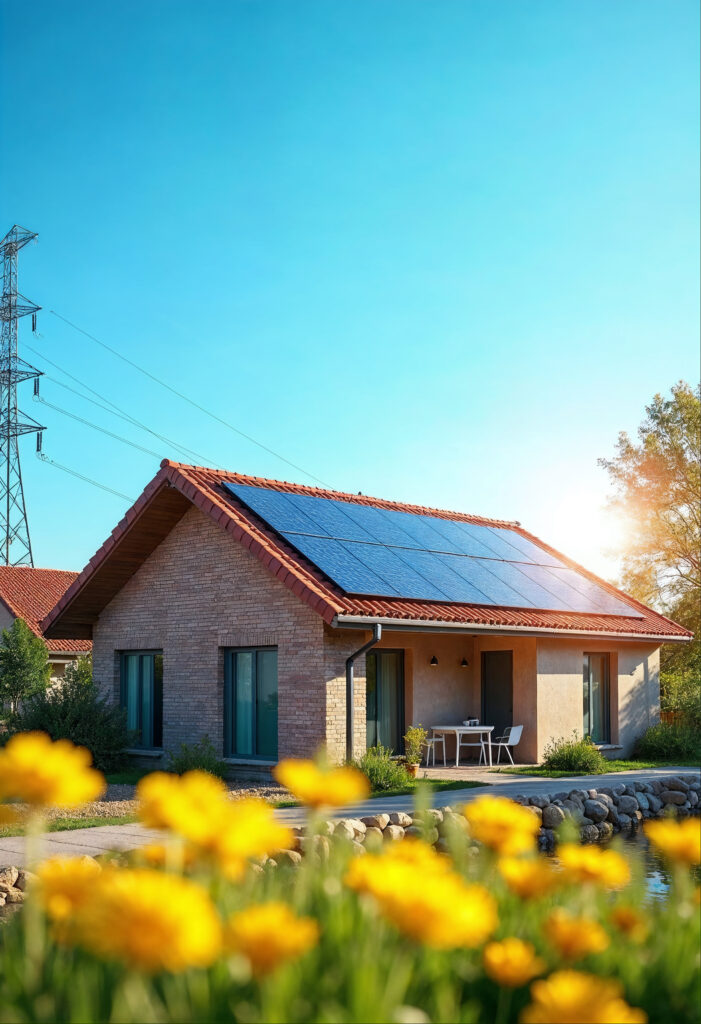
The Government’s Green Homes Grant Scheme went live at the end of September 2020 and is set to run until the end of March 2021. Since its launch, there has been a lot of discussion about how the scheme operates – and it’s fair to say the process is not always straightforward, either for contractors or for property owners.
Dampness is one of those problems many homeowners initially dismiss as minor – perhaps a little condensation or a patch of peeling paint. But behind these small signs, damp can pose a much bigger threat. Left untreated, it can weaken your home’s structure, reduce its value, and create health risks for your family.
Dampness in your home doesn’t just appear out of nowhere – it’s usually the result of specific issues, whether from building defects, maintenance oversights, or everyday habits. The good news? By understanding the most common causes and learning how to spot early warning signs, you can take action before damp becomes a serious (and expensive) problem.
At first glance, damp might seem like nothing more than an eyesore – a small patch on the wall, some peeling wallpaper, or a musty smell. In reality, it’s far more serious. Dampness doesn’t just spoil the look of your home; it can weaken the structure, damage finishes, and even put your family’s health at risk.
Dampness is one of the most common issues homeowners face. Left unchecked, it can damage walls, floors, and furnishings, while also creating unhealthy living conditions. The good news? Most damp problems can be prevented with the right maintenance and daily habits.
Damp in your home is more than just an unsightly nuisance – it can signal underlying structural problems and pose real risks to your health. If you suspect moisture issues in your property, commissioning a professional damp survey is one of the smartest steps you can take to safeguard both your home and your wellbeing.
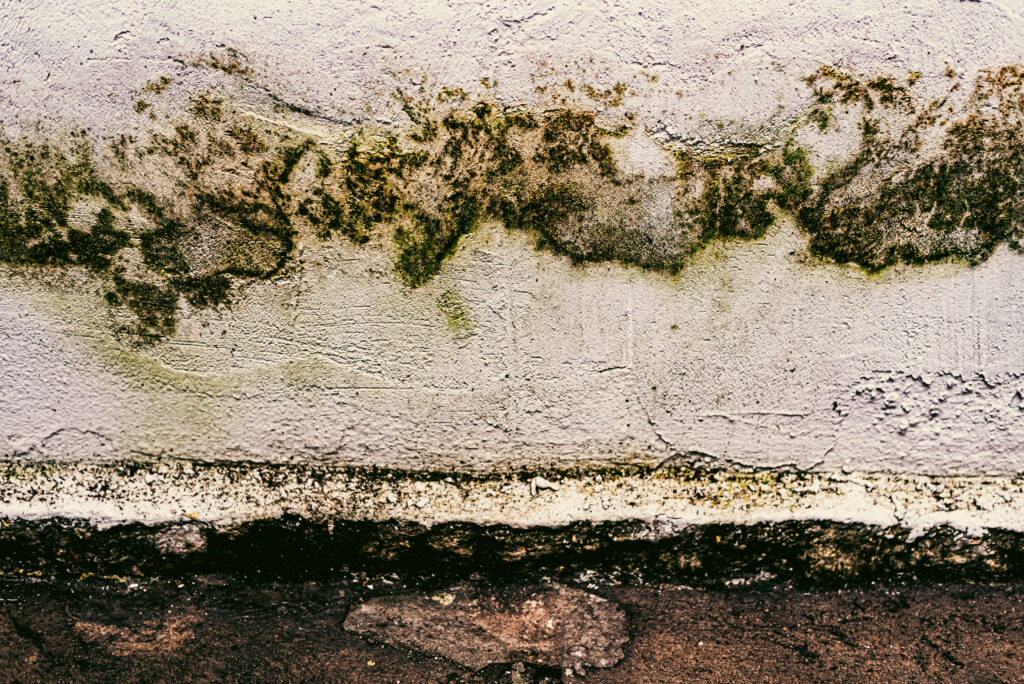
Rising damp is one of the most stubborn and misunderstood types of damp. It occurs when moisture from the ground moves upward through masonry by capillary action, usually affecting walls at or just above ground level. If left untreated, it can damage plaster, timber, and finishes while creating a cold, musty living space.
Penetrating damp is a widespread problem in homes and buildings, but it’s often misunderstood. Unlike rising damp, which moves upward from ground moisture, penetrating damp enters horizontally through walls, roofs, or other surfaces due to defects outside the property. Left untreated, it can cause structural problems, decorative damage, and even health risks.
Dampness and mould are not just unpleasant to look at – they can pose serious risks to your health. If ignored, mould spores and persistent moisture in the home can trigger a range of health problems, particularly for those who are most vulnerable. This guide explains the main health risks linked to damp and mould, who is most affected, and why it’s vital to tackle the issue without delay.