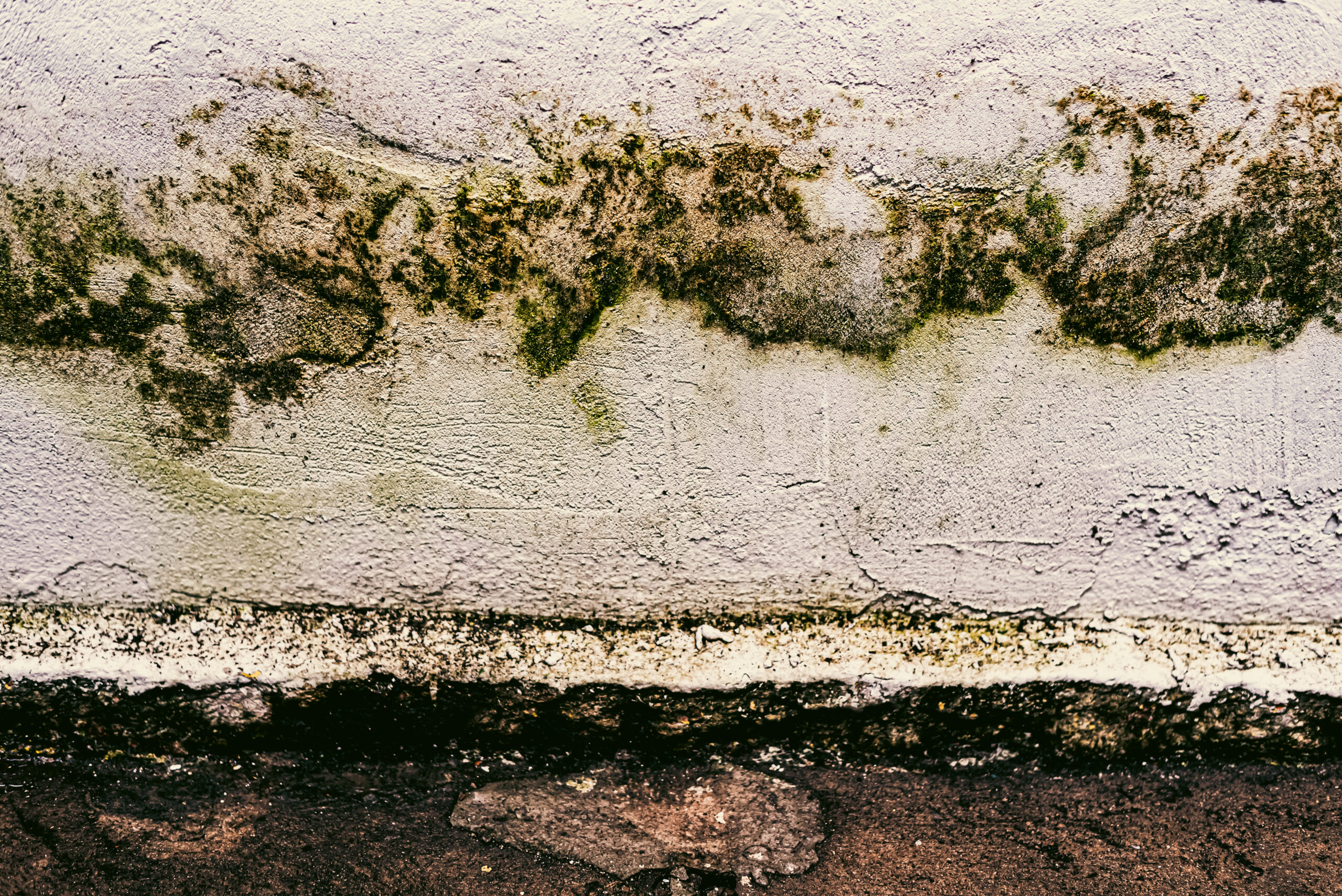
At first glance, damp might seem like nothing more than an eyesore – a small patch on the wall, some peeling wallpaper, or a musty smell. In reality, it’s far more serious. Dampness doesn’t just spoil the look of your home; it can weaken the structure, damage finishes, and even put your family’s health at risk.
Left untreated, damp problems almost always escalate into costly repairs. That’s why early intervention is essential to protect your home, your wellbeing, and your wallet.
How Dampness Damages the Structure of Your Home
Moisture is one of the most destructive forces for building materials. Once it finds its way into walls, floors, or ceilings, the damage begins.
Wood rot and decay
Timber is highly vulnerable to moisture. Damp conditions encourage fungi to break down the cellulose in wood, leaving it soft, brittle, and structurally weak. Beams, joists, floorboards, and window frames can all be affected.
Over time, untreated rot compromises the strength of your home, leading to sagging floors, unstable staircases, or even safety hazards. Replacing structural timber is often disruptive and expensive.
Brick and mortar erosion
Persistent damp erodes mortar joints and causes bricks to deteriorate. External walls may begin to crumble, crack, or bulge. In severe cases, this can result in partial wall collapse, requiring major rebuilding work.
Corrosion of metal components
Moisture accelerates rust and corrosion in plumbing, fixings, and even steel beams. Corroded pipes can leak or burst, while weakened steel loses its load-bearing strength. Damp also poses electrical risks, as water-damaged wiring can become a fire hazard.
How Dampness Affects Your Home’s Appearance
Structural risks aside, damp can make your home look and feel neglected.
- Staining and discolouration: Dark patches on walls and ceilings are unsightly and difficult to remove.
- Peeling paint and wallpaper: Moisture prevents paint from adhering properly and causes wallpaper to bubble and peel.
- Mould growth: Damp creates the perfect breeding ground for mould, which spreads across walls, ceilings, fabrics, and furnishings. As well as being unpleasant, mould damages surfaces permanently if left untreated.
The Health Risks of Living in a Damp Home
A damp house doesn’t just affect the building – it affects the people inside it. Those most at risk include children, older adults, and anyone with existing respiratory conditions.
- Respiratory problems: Damp air and mould spores can trigger asthma, bronchitis, and other breathing difficulties.
- Skin irritation: Contact with damp or mouldy surfaces can cause rashes and flare-ups of eczema.
- Weakened immunity: Living in damp conditions may increase vulnerability to colds, flu, and other infections.
Why It’s Crucial to Act Early
Delaying action against damp always makes the problem worse:
- Structural damage escalates – minor repairs become major renovations.
- Health risks increase – ongoing exposure can cause chronic respiratory problems.
- Repair bills rise – replacing timber, replastering, and redecorating is far more costly than tackling the issue at the source.
- Property value drops – visible damp or mould can deter buyers and even affect mortgage approvals and insurance.
How to Prevent and Manage Damp
The best protection against damp is a mix of good maintenance and practical prevention:
- Inspect and repair roofs, gutters, and downpipes regularly.
- Ensure proper ventilation in bathrooms, kitchens, and laundry areas.
- Fix plumbing leaks as soon as they appear.
- Keep the damp-proof course (DPC) intact and avoid bridging it with soil, decking, or paving.
- Reduce indoor humidity by using extractor fans or dehumidifiers and avoiding drying clothes indoors.
- Consider long-term solutions such as ventilation systems or specialist products that keep walls dry and energy-efficient.
Conclusion
Dampness may start small, but its impact on your property’s structure, appearance, and your family’s health can be significant. The sooner you address it, the easier – and cheaper – it is to put right.
By tackling damp problems early and preventing them from returning, you’ll protect your home, save money, and create a healthier living environment.