Home Energy Assessments

Go green, stay clean, and enhance your home’s comfort.

Climate change is one of the most pressing issues of our time. The impacts are visible all around us, and it’s essential that we each play a part in reducing carbon emissions. While industries such as farming and transport are major contributors, our homes also account for a significant share of carbon output.

As global citizens, it’s important to reflect on our homes and lifestyles to find ways of reducing our carbon footprint. Within our homes, the focus should be on energy efficiency - whether through small adjustments or larger improvements, both can lower carbon emissions and cut energy costs. Now is the time to embrace a greener, cleaner way of living.

With our expertise we can assess your home and recommend energy- and cost-saving improvements that enhance comfort. Our goal is to provide reliable guidance, helping you avoid costly mistakes while saving money through both immediate and long-term solutions.

When is the right time to have a home energy assessment?

A home energy survey is an excellent way for property owners to improve their building’s efficiency and reduce energy expenses. It offers a wide range of benefits, giving plenty of good reasons to arrange one:

What makes an energy survey essential before installing renewables?

There are countless energy-saving solutions available, with new ones emerging all the time – but the first step should always be a heat loss survey. The building’s fabric must be properly prepared to make the most of renewable energy and prevent waste. Without this, your energy demand remains unchanged – meaning that while your energy may be greener, your bills could stay just as high.

Our specialists provide clear, impartial guidance on the most effective measures for your home, helping you invest wisely where it will make the greatest difference. A home energy assessment and heat loss survey will give you the insights you need to:

Optimize efficiency before upgrading

Before investing in renewable energy solutions such as additional insulation, new windows, solar panels, heat pumps, or battery storage, it’s essential to make your building as energy-efficient as possible. This 'fabric first' approach focuses on tackling heat loss and reducing energy waste. After all, why spend on new technologies if your current infrastructure is still losing energy?

Personalized approaches

Each property is unique, with its own heat and energy requirements. A heat loss survey offers a thorough insight into these needs, enabling you to make informed choices about the most effective and cost-efficient solutions.

Our specialist team adopts a holistic approach to every property we assess. Ignoring the building as a whole can result in unintended issues, like thermal bridges or condensation from poor ventilation, so we ensure that all recommended solutions are considered in context.

Plan for upcoming initiatives

An energy survey produces a detailed report that serves as a strategic roadmap for decarbonising your property, pinpointing inefficiencies and outlining a clear home improvement journey.

We can also phase the work to suit your unique circumstances - whether that’s budget, timing, or priorities - providing a plan tailored precisely to your needs.

Sustainable savings for the future

By pinpointing opportunities to enhance energy efficiency upfront, you can save money over time—turning sustainability from a lofty goal into a practical, cost-effective reality.

In short, an energy survey isn’t merely a first step; it’s a vital strategy for smart and efficient energy management.

Energy-Saving Solutions We Recommend

Here are a few things that can be implemented to help energy saving:

Our energy-saving assessments are the ideal starting point to show what’s possible for your home. If requested, we can provide calculated ‘before and after’ savings, clearly summarising the impact of retrofit measures and highlighting which actions will deliver the quickest return on investment.

Ongoing Support

We understand that questions can arise after a survey, or you may wish to clarify certain points. You can ask any follow-up questions related to the report or survey for up to 12 months, giving you plenty of time to fully understand and act on the recommendations.

With this support, you can make informed decisions about energy efficiency improvements, ensuring your home not only conserves energy but also remains comfortable to live in.

The role of thermography…

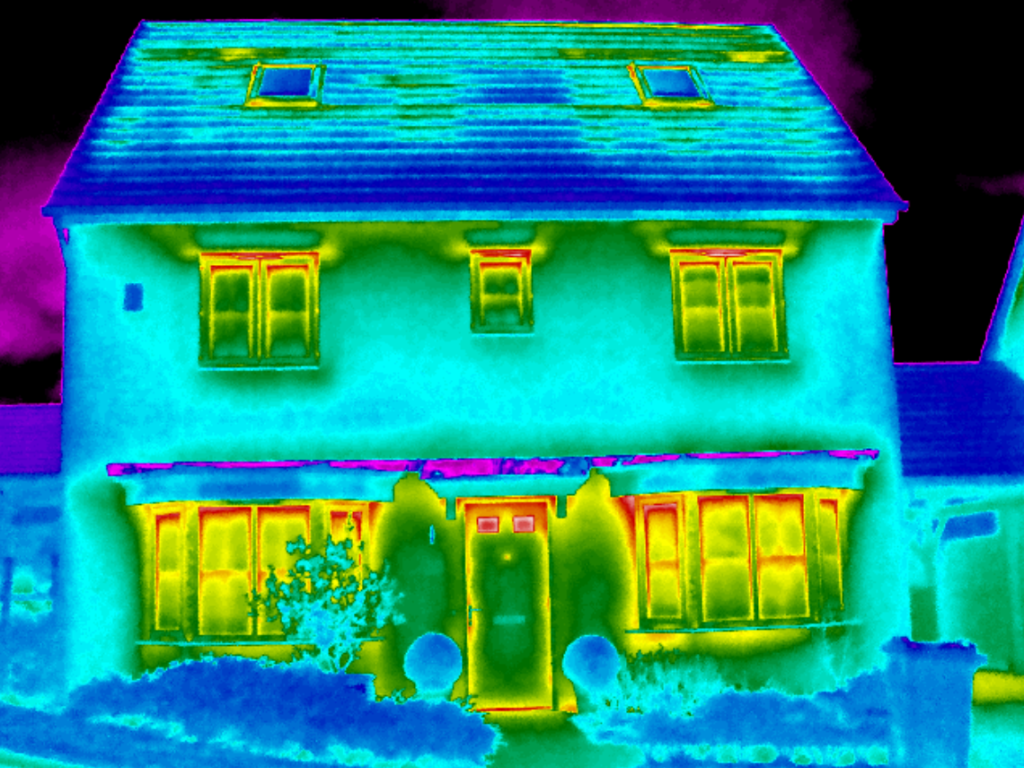
Thermography is a technique used to identify thermal defects in buildings by measuring and recording the reflected energy from surfaces. Thermal images accurately reveal issues, with the coldest areas appearing as black or dark blue, and the warmest as red or white.

Using this method, we can pinpoint areas of heat loss, structural defects, and other anomalies, helping homeowners avoid costly and invasive investigations. This approach provides a detailed insight into the property, particularly useful for older or listed buildings, allowing for informed decisions regarding adaptations and alterations.

Our goal is to enhance the thermal performance of the entire building, taking into account factors such as age, condition, usage, listed status, and your short- and long-term objectives. The added benefits of thermography include:

If you’d like a home energy survey for your property, please get in touch to discuss your requirements and the most suitable type of assessment for your needs.

How a National Home Survey Works

Conducting the Survey:

Our team performs a comprehensive visual assessment of your home to evaluate energy usage, complemented by thermal imaging analysis to objectively identify heat loss. This approach is highly effective in highlighting specific areas that require attention.

Heating:

Inspection of boilers, heat pumps, electric heating, controls, and radiators/underfloor systems.

Lighting and Appliances:

Review of current lighting and appliance usage to identify savings opportunities.

Hot Water:

Assessment of storage, distribution, and usage efficiency.

Draughtproofing:

Identification of areas of cold air infiltration and evaluation of ventilation.

Insulation:

Examination of roof/loft, floors, walls, windows, and doors, including any related structural considerations.

Energy Consumption:

Analysis of historical and real-time energy use, with guidance on suitable tariffs.

Renewable Energy:

Exploration of opportunities for renewable energy generation and storage.

Please allow 1-3 hours for the full survey, depending on the size of your home.

Report Generation: We compile our findings into a comprehensive report. The report includes detailed insights and practical recommendations based on the survey results.

By following this structured process, we give homeowners a clear understanding of their property’s energy efficiency and potential improvements. This thorough approach ensures you are fully equipped to make informed decisions about your home’s energy use.

The home energy report provides valuable insights for managing and reducing your energy consumption. Here’s how it helps:

Heat Loss Analysis: The report identifies areas where your home is losing heat, allowing for targeted improvements to enhance energy efficiency.

Actionable Advice: Receive practical guidance on monitoring and managing energy use, including recommendations for smart meters and energy-efficient appliances.

Long-Term Planning: The report supports planning for future energy needs, helping you make informed decisions about home improvements and energy-saving investments.

Overall, the home energy report is a comprehensive tool for monitoring and optimising energy use, empowering you to make smarter, more sustainable choices.

Duration of a Home Energy Survey

A home energy survey typically takes three to four hours, depending on several factors:

Factors Influencing Duration:

  • Home size: Larger homes require more time for a thorough inspection.

  • Complexity of systems: Intricate heating, cooling, and electrical systems may extend the survey.

  • Accessibility: Hard-to-reach areas can increase the time needed for a comprehensive review.

What to Expect:
During the survey, the assessor evaluates insulation, window efficiency, and the performance of heating and cooling systems. This detailed analysis is essential for providing accurate, actionable recommendations to improve your home’s energy efficiency.

Understanding these factors helps you prepare for the visit, ensuring the process is smooth and efficient.

When you receive your home energy report, you can expect:

  • Specific Energy Efficiency Improvements: Clear recommendations tailored to your property.

  • Estimated Costs: Financial outlay for each suggested action.

  • Heat Loss Analysis: Identification of areas where heat escapes, including thermal imaging to visualise problem spots.

  • Future Monitoring Tips: Guidance on tracking and reducing energy usage over time.

  • Condition Report: Assessment of damp, defects, and overall property condition.

Your report may also include additional advice, such as:

  • Planning Guidance: Recommendations for complying with planning regulations or requirements.

  • Supplier Information: Tips on sourcing reliable suppliers for any necessary improvements.

The recommendations in a home energy report are clear, detailed, and easy to understand. Each suggestion includes an estimated cost, potential savings, and the expected time to see a return on investment.

Key Features:

  • Detailed Breakdown: Each recommendation is presented with clear steps and priorities.

  • Cost Estimate: Provides a transparent view of the financial outlay required.

  • Unbiased Advice: Recommendations are impartial, with no product endorsements or commissions.

This structured presentation helps homeowners make informed decisions to enhance energy efficiency and achieve long-term savings.

Your home energy report provides key estimates for each recommendation, including the cost of implementation, expected savings, and payback time. Here’s how the cost estimates are calculated:

Cost Estimation:

  • Material and Labour: Estimates cover the price of required materials and the labour needed for installation or upgrades.

  • Market Rates: Costs are based on current market rates, giving an accurate view of the financial outlay involved.

A do-it-yourself home energy assessment can help homeowners identify obvious areas of energy inefficiency, such as draughts or outdated appliances, offering useful insights into potential improvements. However, it lacks the depth and accuracy of a professional evaluation and may result in spending money on ineffective or unnecessary measures.

A professional home energy assessment provides a comprehensive analysis using high-tech, specialised tools that detect hidden inefficiencies a DIY approach might miss. Trained experts can accurately interpret thermograms and assess the results to recommend the most effective strategies for reducing heat loss.

With this deeper insight, you receive tailored advice that prioritises energy-saving upgrades strategically, ensuring your investment targets the areas with the greatest impact on energy efficiency and cost savings.

Navigating energy improvements can feel overwhelming, but there are several financial support options available to make projects more affordable. Here’s how you can take advantage of them:

Identify Available Grants and Subsidies
Familiarising yourself with national energy policies can reveal a range of financial support opportunities, including:

  • Feed-In Tariff (FIT): Payments for renewable electricity you generate.

  • Renewable Heat Incentive (RHI): Financial incentives for heat produced from renewable sources.

  • Boiler Upgrade Scheme: Grants to replace old boilers with more efficient models.

  • Great British Insulation Scheme: Government-backed support for improving home insulation.

  • Low-Cost, Energy-Specific Loans: Certain lenders offer low-interest loans for energy efficiency projects. Note: We cannot recommend specific providers due to regulatory restrictions, so seek professional advice before committing to any financial arrangements.

By leveraging these options, you can reduce both the upfront and ongoing costs of energy efficiency improvements, making the transition to sustainable energy more accessible and affordable.

Ask Us to Call You

If you want to save money, boost your home’s comfort, reduce heat loss, tackle damp, or discuss insurance claims, get in touch! One of our expert team members will be happy to assist you.